

Aurora
The constrained execution fabric
Five ways work starts.
One way it's governed.
Most software waits to be used. Aurora runs — work starts five different ways, and every one of them ends in the same place: an action taken under a real identity, inside policy, on the record.
The system, visible
Five entry points. One spine.
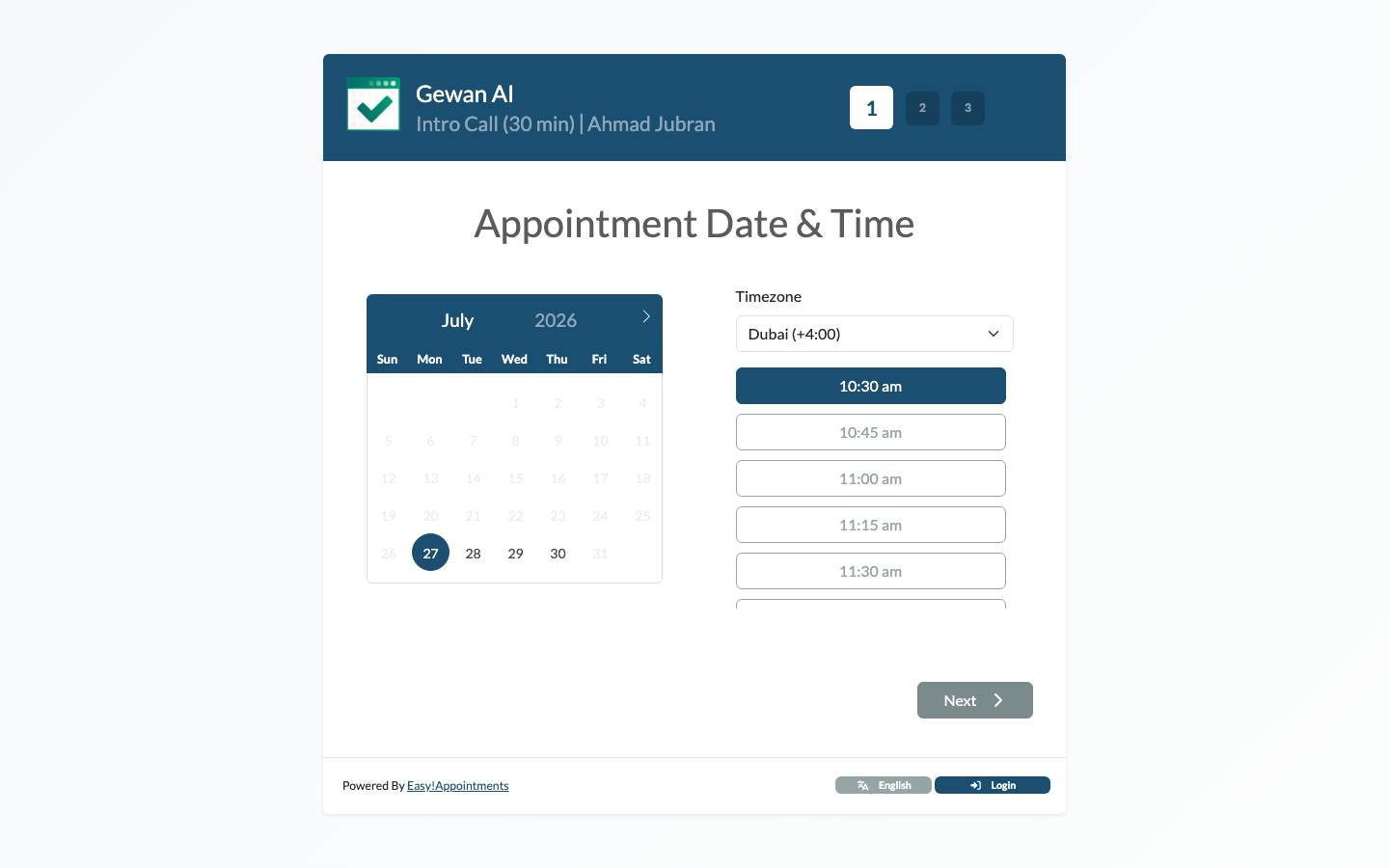
The outside world touches your business and the governed action is the reflex — attributed, audited, done.
Someone asks.
LiveYou ask a question in chat — "what's moving in our pipeline?" The agent answers from your CRM and your org's memory. You say "make that a morning briefing," and it becomes a standing scheduled job: delivered every morning, remembered in org memory, grounded in the knowledge brain. A question became an institution in one sentence.
A schedule fires.
LiveEvery morning before you're up, scheduled jobs sweep the systems you've connected — inbox, tasks, pipeline, the news that matters to you — and the briefing is in your channel of choice by the time you sit down.
An event arrives.
LiveThe outside world touches your business and Aurora answers before you do. A candidate applies through a form the agent built when you asked for one in a sentence — the resume is read, a summary written, a clean entry filed, and the tracking app the agent also built updates itself. A booking is the same reflex: a conflict-checked calendar event with a meeting link and a plain-language note in your inbox — 85 seconds, zero approvals, fully audited.
A mission runs long.
Live"Get this meeting scheduled." The agent emails the counterparty, waits, nudges politely, escalates when it's stuck, verifies against the calendar before declaring itself done — and the mandate dies at close. Days-long, autonomous, on the record.
A human approves a pipeline.
LiveSome work should never run unattended. Workflow pipelines carry approval gates: the agent brings the work to the gate; a human waves it through — from the portal or the channel they're already in — and the pipeline continues.
One way it's governed
However work starts, it's governed identically: a real identity on every action · capability scoped per trigger · a policy check on every tool call · an append-only audit ledger · approval routing for consequential moves. One governance spine, five kinds of work.
The governance pageAgents
You hire an operator. Aurora is what keeps it accountable.
Every deployment of Aurora has a name, a mandate, and a voice. Same organs under each — memory, channels, skills, workflows, governance — a different chief on top. Fahim was first. Fahim won't be last.
Fahim
Fahim (فهيم — "the perceptive one") — the autonomous chief of staff. Watches your channels, runs your briefings, chases multi-day follow-ups, works your CRM and task board. Live on commercial work at independent operating companies of our group — Gewan Investment Solutions, the NG9 group HR function, Nirvana Travel. The group trusted it with real operations before anyone was asked to buy it.
For the technical evaluator
Agent plane
- The reasoning loop: judgment, initiative, follow-through
- Memory, skills, sub-agent delegation
- Channels: portal, email, Telegram; Teams staged
Control plane — Aurora Polaris
- Registry, policy evaluation, approval routing
- Append-only audit, spend attribution
- Its own application on its own infrastructure
Side-cart engines
- Public intake: forms, uploads, processing
- Booking, data apps, dashboards
- Hardened engines behind one inbound pattern
What's staged Staged
On the roadmap, presented as roadmap: a real-time voice channel · agent-to-agent delegation · payments visibility · enterprise SSO packaging. We mark the line between built and coming everywhere we write — it's a feature.
How you adopt it
Over what you have.
Aurora is the intelligence and execution layer over the systems you already run — CRM, email, calendar, tasks, knowledge — connected through open protocols (MCP). No rip-and-replace.
In your region.
Your tenancy, your region, your data. Deployed where your compliance lives.
As deep as you grant.
Scope is provisioned, not assumed. Start with one loop; grant more as the ledger earns your trust.